
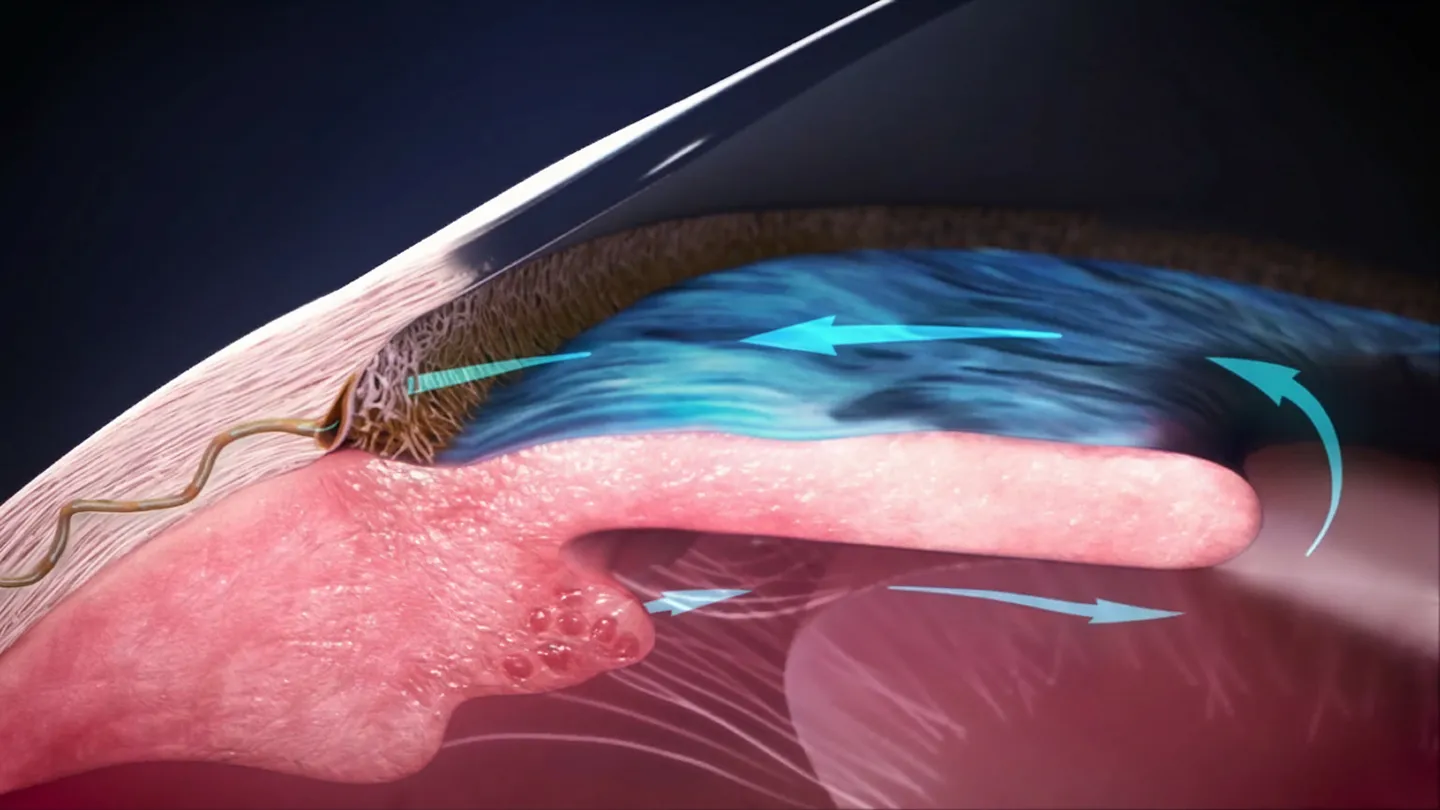
Canaloplasty is an angle-based MIGS procedure designed to restore flow through the conventional outflow pathway using 360° catheterization and pressurized viscodilation. It works with the eye’s natural drainage anatomy, addressing resistance across the trabecular meshwork, Schlemm’s canal and collector channels. With microcatheter-based canaloplasty such as iTrack Advance, surgeons can navigate the canal with visual guidance while preserving tissue rather than relying on approaches that require cutting through the trabecular meshwork.



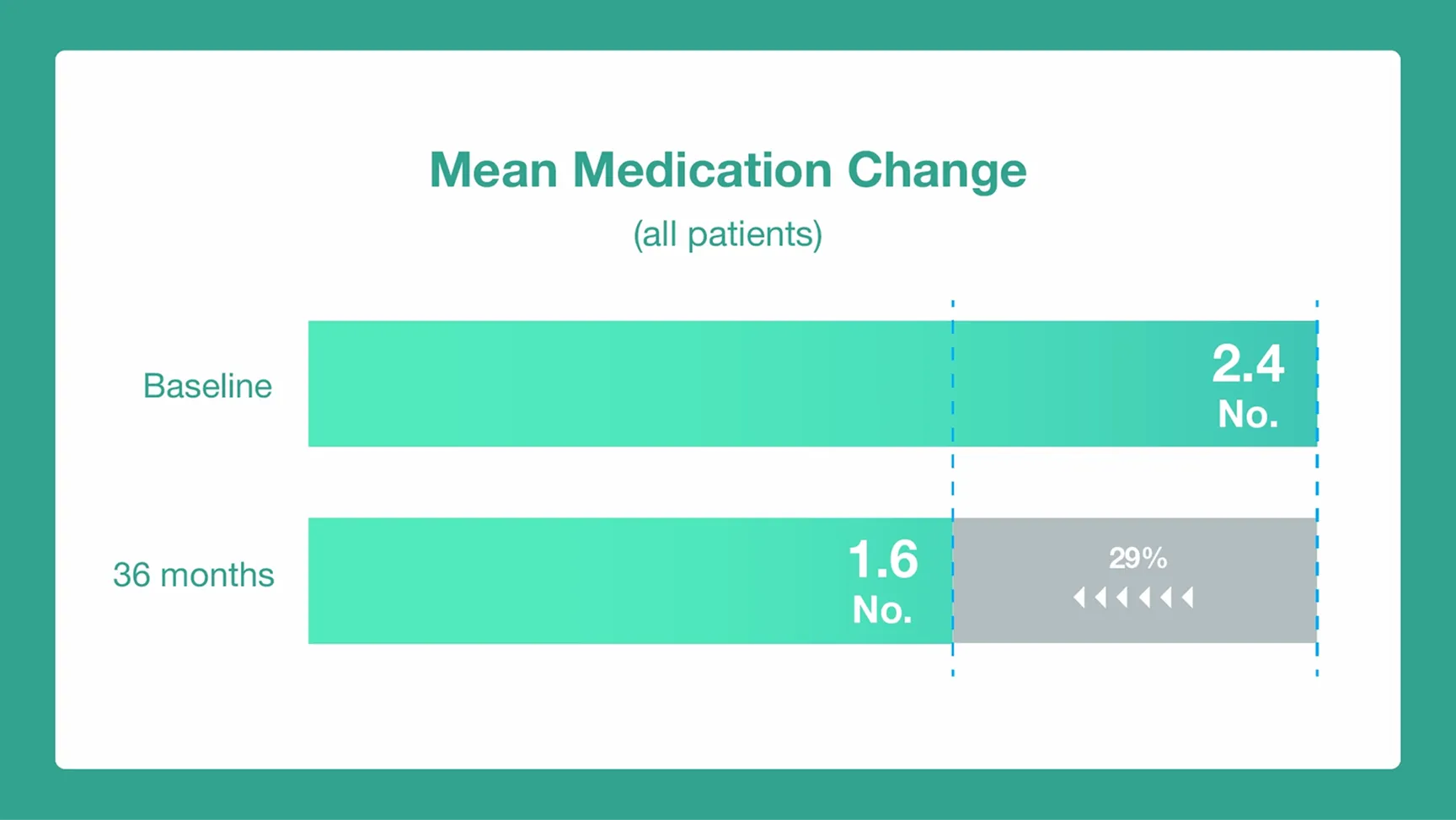



1. Glaucoma Specialists & iTrack™. "Discover iTRACK™ for Glaucoma." https://glaucoma-itrack.com/us/.
2. Glaucoma Associates of Texas. "Gonioscopy-Assisted Transluminal Trabeculotomy (GATT)." https://www.glaucomaassociates.com/gonioscopy-assisted-transluminal-trabeculotomy/.
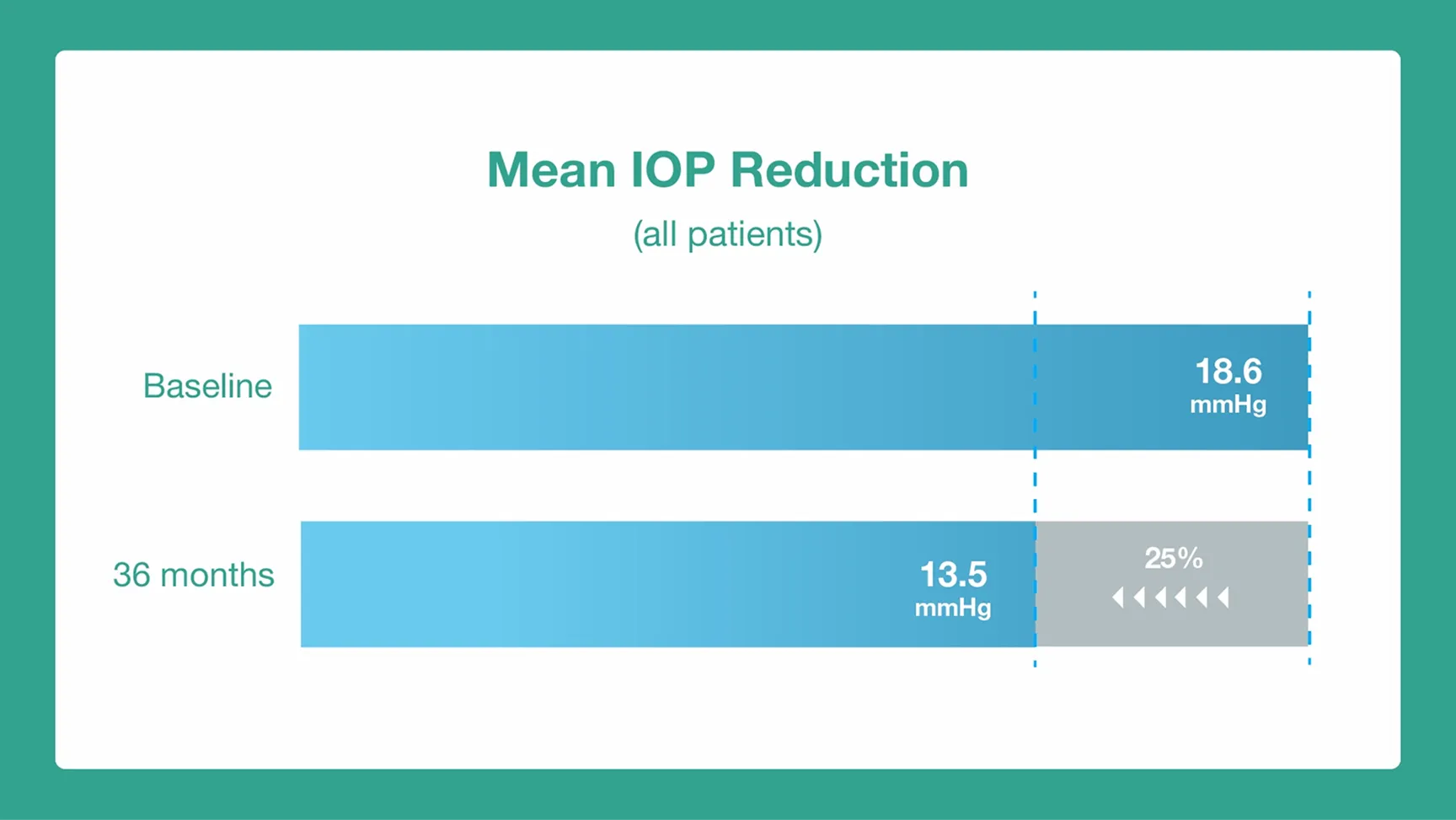
3. Lewis, R.A., et al. "Canaloplasty: Three-Year Results." Journal of Cataract & Refractive Surgery, vol. 37, no. 4, 2011, pp. 682-690. PMID: 21420593. https://pubmed.ncbi.nlm.nih.gov/21420593/
4. Banerjee, A., et al. "Comparison of Superior versus Inferior Canaloplasty and Goniotomy with OMNI Surgical System." PLoS ONE, 2024. https://pmc.ncbi.nlm.nih.gov/articles/PMC11214751/
5. Patel, K., & Reiss, G. "Long-Term Clinical and Safety Outcomes of Canaloplasty Performed with iTrack Microcatheter." PLoS ONE, 2023. https://pmc.ncbi.nlm.nih.gov/articles/PMC10191748/
6.Meta-analysis authors. "Safety and Efficacy of Canaloplasty versus Trabeculectomy in Open-Angle Glaucoma." Oncotarget, 2019. https://www.oncotarget.com/article/14757/text/
7.Arosemena A, Simpson RG, Bedrood S, Camejo L, Funke CM, Kamat S, Qiu M. Canaloplasty: how it works and where it fits in the MIGS armamentarium. Glaucoma Today. 2025 Mar/Apr suppl. https://glaucomatoday.com/articles/2025-mar-apr-supplement/canaloplasty-how-it-works-and-where-it-fits-in-the-migs-armamentarium
Nova Eye Medical, equips your surgeons with the best equipment for a non-destructive, long-term, patient care focused solution.










The iTrack™ Advance has a CE Mark (Conformité Européenne) 2862 and US Food and Drug Administration (FDA) 510(k) #K221872 for the treatment of open-angle glaucoma.
INDICATIONS (International): The iTrack™ Advance is indicated for fluid infusion or aspiration during surgery. The iTrack™ Advance is indicated for catheterization and viscodilation of Schlemm’s canal to reduce intraocular pressure in adult patients with open angle glaucoma.
CONTRAINDICATIONS (International): The iTrack™ Advance is not intended to be used for catheterization and viscodilation of Schlemm’s canal to reduce intraocular pressure in eyes of patients with the following conditions: Neovascular glaucoma; Angle-closure glaucoma; Previous surgery with resultant scarring of Schlemm’s canal.
ADVERSE EVENTS (International): Possible adverse events with the use of the iTrack™ Advance include, but are not limited to: hyphema, elevated IOP, Descemet’s membrane detachment, shallow or flat anterior chamber, hypotony, trabecular meshwork rupture, choroidal effusion, Peripheral Anterior Synechiae (PAS) and iris prolapse.
PRECAUTIONS (International): The iTrack™ Advance should be used only by physicians trained in ophthalmic surgery. Knowledge of surgical techniques, proper use of the surgical instruments, and post-operative patient management are considerations essential to a successful outcome.
For full safety information, visit: https://itrack-advance.com
© 2026. Nova Eye, Inc. E&OE. Patents pending and/or granted.
iTrack™ Advance, iTrack™, ViscoInjector™ and iLumin™ are trademarks of Nova Eye,Inc.
The iTrack™ has a CE Mark (Conformité Européenne) 2862 and US Food and Drug Administration (FDA) 510(k) #K080067 for the treatment of open-angle glaucoma.
INDICATIONS: The iTrack™ canaloplasty microcatheter is cleared for the indication of fluid infusion and aspiration during surgery, and for catheterization and viscodilation of Schlemm’s canal to reduce intraocular pressure in adult patients with open-angle glaucoma.
CONTRAINDICATIONS: The iTrack™ canaloplasty microcatheter is not intended to be used for catheterization and viscodilation of Schlemm’s canal to reduce intraocular pressure in eyes of patients with the following conditions: neovascular glaucoma; angle closure glaucoma; and, previous surgery with resultant scarring of Schlemm’s canal.
ADVERSE EVENTS: Possible adverse events with the use of the iTrack™ canaloplasty microcatheter include, but are not limited to: hyphema, elevated IOP, Descemet’s membrane detachment, shallow or flat anterior chamber, hypotony, trabecular meshwork rupture, choroidal effusion, Peripheral Anterior Synechiae (PAS) and iris prolapse.
WARNINGS: The iTrack™ canaloplasty microcatheter is intended for one time use only. DO NOT re-sterilize and/or reuse, as this can compromise device performance and increase the risk of cross contamination due to inappropriate reprocessing.
PRECAUTIONS: The iTrack™ canaloplasty microcatheter should be used only by physicians trained in ophthalmic surgery. Knowledge of surgical techniques, proper use of the surgical instruments, and post-operative patient management are considerations essential to a successful outcome.